Saudi Arabia has proposed a multinational maritime defense coalition to protect commercial shipping and energy routes across the Red Sea, Bab al-Mandab Strait and Gulf of Aden.
Saudi Arabia is moving forward with plans to establish a multinational maritime defense coalition aimed at protecting some of the world’s most important shipping and energy routes.
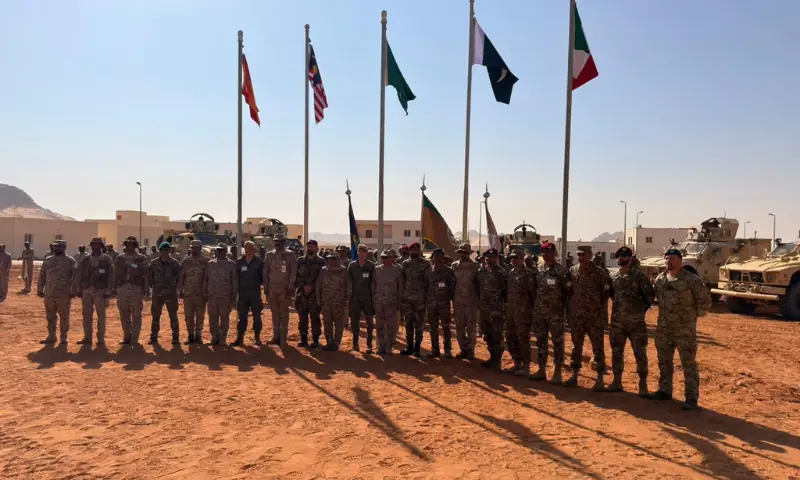
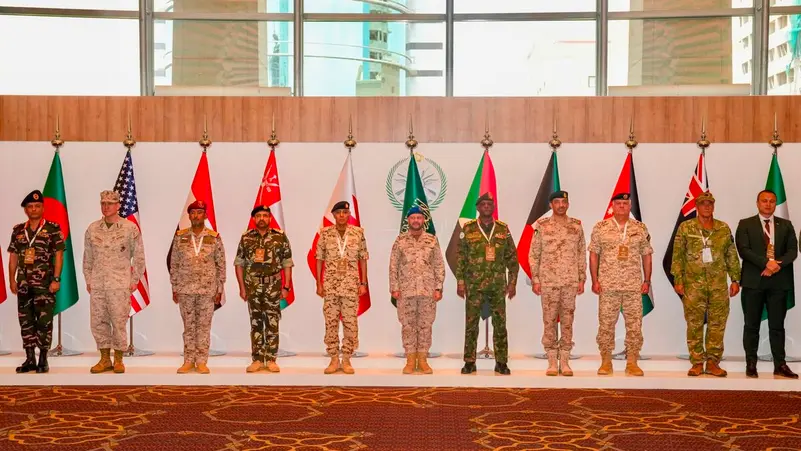
The initiative follows an international meeting hosted by the Kingdom on Thursday. Chiefs of staff and representatives from 43 countries, along with a European Union delegation, attended the discussions on maritime threats, freedom of navigation and the security of global trade.
Saudi Arabia will serve as the founding and leading state of the proposed coalition and will host its permanent headquarters.
Coalition to Protect Key Maritime Routes
The planned alliance will focus on strengthening security in the Red Sea, the Bab al-Mandab Strait and the Gulf of Aden. These waters connect major markets across Asia, Africa, Europe and the Middle East and carry commercial goods as well as global energy supplies.
The coalition’s stated objectives include:
- Protecting commercial ships, oil tankers and maritime infrastructure
- Safeguarding freedom of navigation
- Securing international trade and energy supply routes
- Improving intelligence and information sharing
- Coordinating maritime operations, training and joint exercises
- Building the naval and security capabilities of participating countries
The founding statement describes the initiative as defensive and says its activities will comply with international law and respect the sovereignty of participating states.
Fourteen Countries Back Initial Statement
Saudi Arabia and 13 other countries supported the initial joint statement establishing the coalition. Supporters include Pakistan, Türkiye, Kuwait, Bahrain, Qatar, Jordan, Egypt, Sudan, Somalia and Djibouti.
Bangladesh, Yemen and the Comoros were also named among the supporting countries in reports on the meeting. Membership remains open to other states once they complete their domestic procedures and formally accept the coalition’s charter.
Pakistan’s support reflects its interest in maritime security and the protection of international trade routes connecting the Arabian Sea, Gulf of Aden and Red Sea.
The United States was represented at the Riyadh meeting by Marine Corps Forces Central Command chief Lieutenant General Joseph Clearfield and a defense official from the US Embassy.
Why the Red Sea and Bab al-Mandab Matter
The Bab al-Mandab Strait links the southern Red Sea with the Gulf of Aden and the Indian Ocean. Its location makes it a critical passage for vessels travelling between the Suez Canal and major Asian and Middle Eastern ports.
Any prolonged disruption in this area can force shipping companies to reroute vessels around Africa. Longer journeys may increase fuel costs, insurance charges and delivery times, placing additional pressure on global supply chains and energy markets.
The proposed coalition comes amid renewed attacks and threats against vessels in the region. Yemen’s Houthi movement announced a maritime blockade against Saudi Arabia in July and has claimed attacks on Saudi-linked shipping. Riyadh has responded with military action against sites it says were being used to threaten commercial navigation.
How the Coalition Could Operate
Officials discussed a draft charter, command arrangements and the alliance’s future operational structure during the Riyadh meeting.
The proposed organisation is expected to include a joint operations coordination centre, a maritime operations centre and a general secretariat based in Saudi Arabia. Member states could cooperate through intelligence sharing, operational planning, joint training and coordinated maritime missions.
Participation in specific coalition activities would remain a sovereign decision for each member country.
What Happens Next?
The supporting countries must complete their national procedures before formally joining the coalition’s charter. Saudi Arabia and its partners will also need to finalise the command structure, technical arrangements and rules governing joint operations.
If successfully launched, the coalition could strengthen coordination between regional and international navies while providing additional protection for commercial vessels using the Red Sea corridor.
Its effectiveness, however, will depend on the level of participation, the resources committed by member states and whether joint maritime operations can reduce threats without contributing to further regional escalation.
Source note: This is an independently written and copyright-safe news article based on official Saudi statements and verified international reporting. The wording and structure are original.