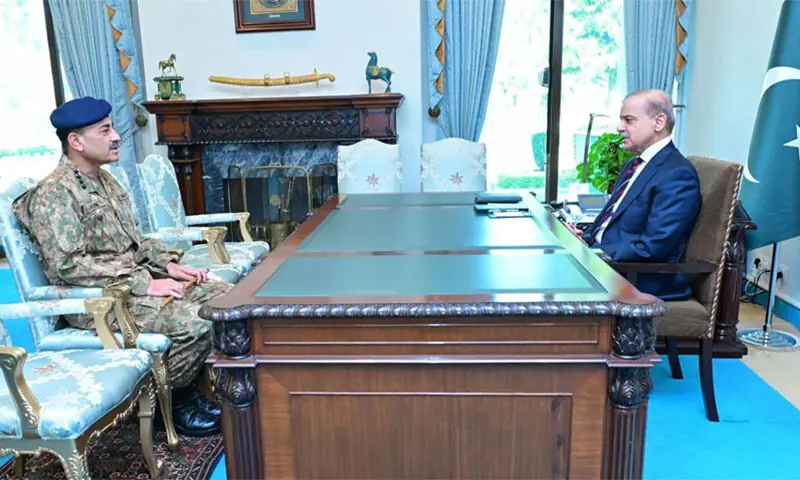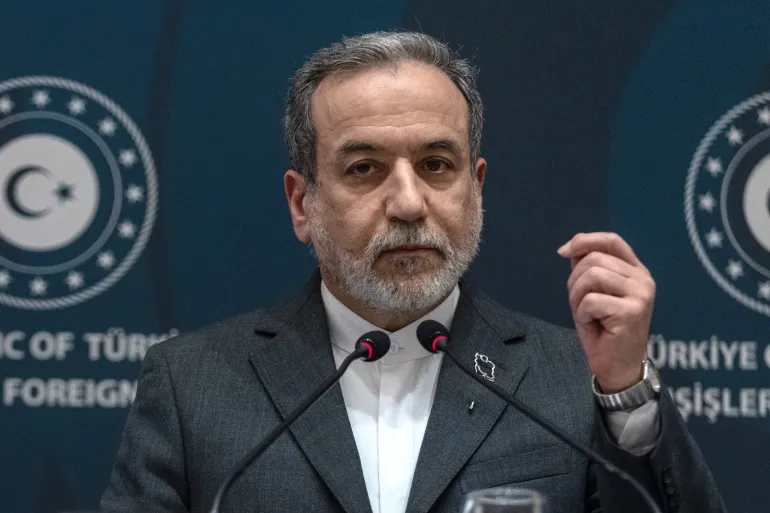
Pakistan says it is intensifying diplomatic efforts to bring the United States and Iran back to negotiations under the Islamabad Memorandum of Understanding, as renewed military exchanges raise fears of a wider conflict in the Middle East.
Foreign Ministry spokesperson Tahir Andrabi told reporters on Thursday that Islamabad was doing its “utmost” to return all parties to the agreement. He said Pakistan was encouraging Washington and Tehran to honour their commitments and resume technical-level discussions outlined under the MoU.
The Islamabad MoU was designed to support de-escalation and create a path towards ending the conflict. Pakistan is a signatory to the agreement and has been serving as a mediator between the two sides.
US-Iran Negotiations Remain Ongoing
According to Pakistan’s Foreign Office, communication between the United States and Iran has not completely stopped. Andrabi said negotiations were continuing, particularly on reducing tensions and addressing the situation in the Strait of Hormuz.
The strategic waterway is central to the diplomatic process because of its importance to international energy supplies and commercial shipping. Any prolonged disruption in the strait could affect oil markets, shipping costs and regional economic stability.
The Islamabad MoU provides a framework for political oversight, technical talks and working groups dealing with major areas of disagreement. Earlier statements from Pakistan’s Foreign Office indicated that the process includes discussions on nuclear issues, sanctions, monitoring arrangements and dispute resolution.
Renewed Strikes Increase Pressure on Diplomacy
Pakistan’s latest appeal came as fighting between the United States and Iran intensified again.
The US military said it had completed a new wave of strikes against Iranian targets after missiles were launched towards American forces in the Middle East. US Central Command described the operation as a response to attempted Iranian attacks on US personnel.
Iran confirmed that it had targeted US bases in Jordan. US officials said multiple ballistic missiles were intercepted before President Donald Trump warned that American forces would retaliate.
The renewed exchange has increased the urgency of Pakistan’s mediation effort. Although diplomatic contacts remain active, continued military action could make it more difficult for negotiators to restore confidence and return to formal talks.
Why Pakistan’s Mediation Matters
Pakistan maintains relations with Iran while also engaging closely with the United States and major Gulf states. This gives Islamabad a potentially important role as a communication channel during periods of heightened tension.
Its mediation is focused on bringing the parties back to an agreed diplomatic framework rather than allowing military escalation to determine the next phase of the conflict. Technical talks could help address immediate security concerns, reduce the risk of miscalculation and create conditions for broader political negotiations.
However, substantial differences remain. The Strait of Hormuz, sanctions, nuclear issues and wider regional security concerns are all likely to shape future discussions.
What Happens Next?
The immediate priority is to persuade the United States and Iran to fully resume technical talks under the Islamabad MoU. Progress will depend on whether both sides are willing to limit further military action and follow the commitments already made through the diplomatic process.
Pakistan’s confirmation that negotiations are ongoing suggests that dialogue remains possible. Yet the latest attacks show that the situation is fragile, and any further escalation could undermine efforts to secure a lasting ceasefire.
For now, Islamabad is continuing its mediator role in an attempt to move Washington and Tehran away from confrontation and back towards negotiations.
Source note: This article is an original rewrite based on Pakistan Foreign Office statements, US Central Command updates and current international reporting. It does not reproduce a source article.