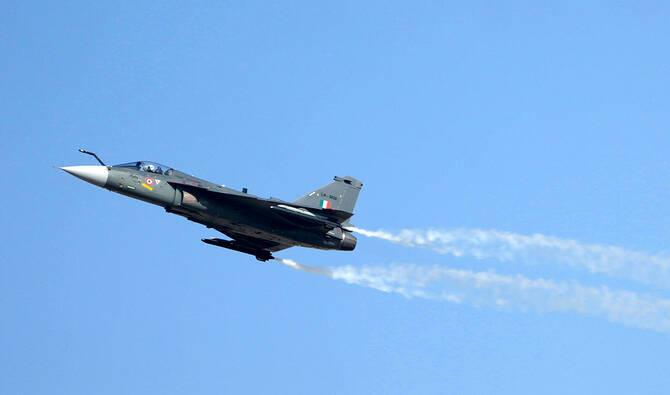
India’s Tejas fighter jet crashed during a public demonstration at the Dubai Airshow, in front of international defense buyers. The incident claimed the life of Wing Commander Namansh Syal, prompting tributes from Indian authorities and raising concerns over the jet’s export prospects.
The crash marks a major setback for India’s homegrown fighter program, which has been in development for over four decades. While the Tejas continues to serve the Indian Air Force, the program still faces production delays due to engine supply issues from GE Aerospace. India has 180 Tejas Mk-1A jets on domestic order, but deliveries have yet to start.
Experts suggest that although the incident may hurt international perception, domestic orders and ongoing production will remain the program’s primary focus. The aircraft was originally intended to replace aging fighter squadrons, such as MiG-29s, Jaguars, and Mirage 2000s, but shortages in production have caused the Indian Air Force to consider off-the-shelf purchases to fill immediate gaps.
The Dubai Airshow also highlighted regional defense rivalries, as Pakistan showcased its JF-17 Thunder Block III, which has seen operational use in recent conflicts. Observers note that while the crash is a blow to Tejas’ export ambitions, the long-term value of the program lies in the technological and industrial foundation it establishes for India’s future combat aircraft projects.
Despite this setback, officials remain committed to strengthening domestic production, leveraging the experience gained from Tejas development, and maintaining India’s push for self-reliance in defense technology.