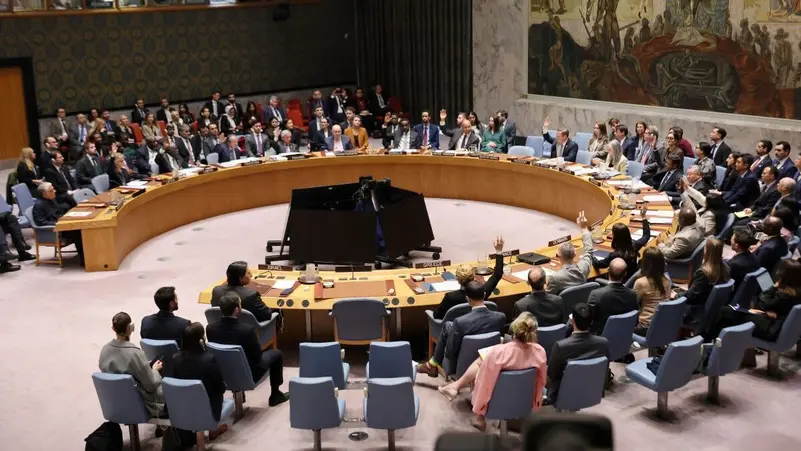
The United Nations Security Council on Wednesday adopted a resolution demanding that Iran immediately halt its attacks on several Gulf states, warning that the actions violate international law and pose a serious threat to global peace and security.
The resolution was approved by 13 members, while two countries abstained from voting, highlighting widespread concern among world powers about the rapidly escalating tensions in the Middle East.
Countries Mentioned in the Resolution
The council specifically demanded that Iran stop attacks against the following nations:
- Bahrain
- Kuwait
- Oman
- Qatar
- Saudi Arabia
- United Arab Emirates
- Jordan
According to the resolution, attacks on these countries could destabilize the region and increase the risk of a broader international conflict.
Concerns Over the Strait of Hormuz
The Security Council also condemned any attempt by Iran to disrupt international shipping through the Strait of Hormuz, one of the world’s most important maritime routes for oil transportation.
Officials warned that interference with shipping in the strait could have major consequences for the global energy market and international trade.
Background: Rising Middle East Tensions
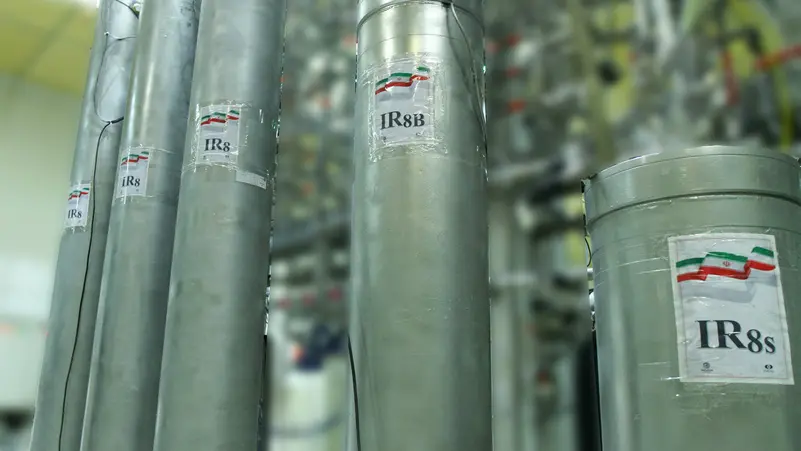
The resolution follows a major escalation in the region after the United States and Israel launched military strikes against Iran on February 28, reportedly killing Iran’s Supreme Leader and triggering a wider regional conflict.
Since then, Iran has responded with missile and drone attacks targeting various locations across the Middle East. Some neighboring countries say they were struck despite not participating in the conflict or allowing their territories to be used for military operations.
Iran has also reportedly targeted commercial vessels passing through the Strait of Hormuz, a key corridor for global fuel shipments.
Global Concerns Grow
International leaders warn that continued attacks could severely impact regional stability and disrupt global energy supplies. The UN Security Council’s resolution aims to pressure Iran to de-escalate the situation and prevent the conflict from expanding further.