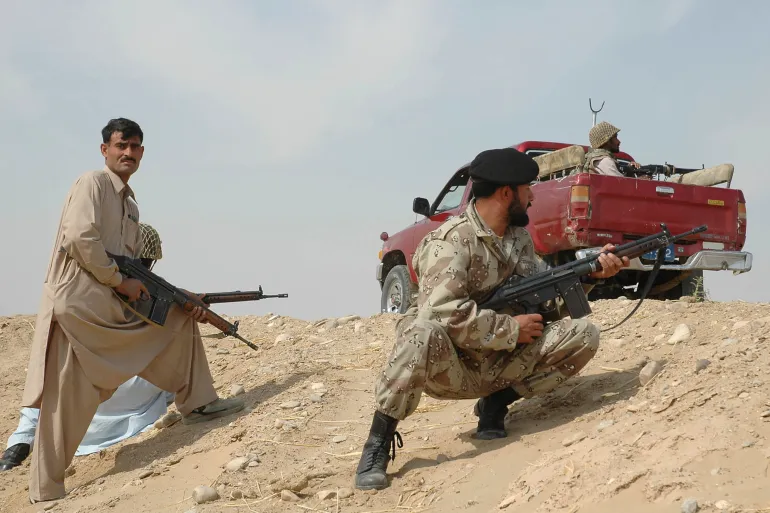
Pakistan’s security forces have launched large-scale counterterrorism operations in the southwestern province of Balochistan, resulting in the deaths of at least 41 armed fighters, according to official military sources.
The raids were carried out as part of ongoing efforts to control growing militant activity in a region that has faced separatist unrest and insurgent violence for years.
Two Separate Operations Conducted
The military reported that the deadly encounters took place in two different districts:
Harnai District Raid
In the first operation, security forces killed around 30 fighters near the outskirts of Harnai. Officials stated that the militants were linked to groups the government associates with the banned Pakistan Taliban (TTP).
Panjgur District Operation
In a second raid in Panjgur, another 11 fighters were killed. The military claimed these individuals were part of militant networks involved in destabilizing the region.
Authorities also said that weapons, ammunition, and cash allegedly stolen during a previous robbery were recovered during the operation.
Allegations of Foreign Backing
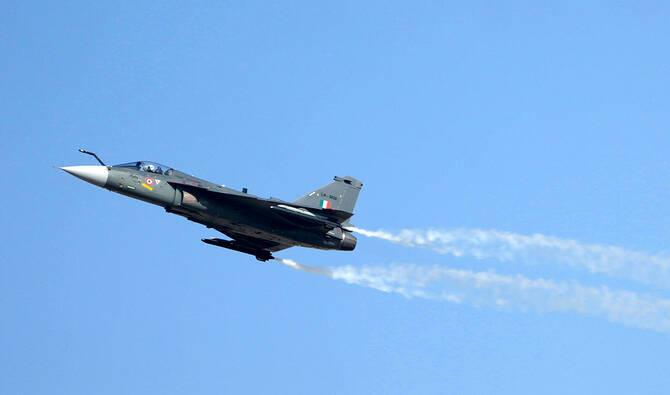
Pakistan’s military claimed that the militants were supported by India, although no public evidence was provided to support this accusation. India has not yet issued an official response.
Such allegations have been made before, particularly during periods of heightened violence in Balochistan.
Ongoing Security Measures
Military officials confirmed that sanitization operations are still underway in both districts to ensure that no remaining fighters escape or regroup.
Senior Pakistani leaders, including President Asif Ali Zardari and Prime Minister Shehbaz Sharif, praised the armed forces and reiterated the country’s commitment to fighting terrorism.
📌 Rising Militancy in Balochistan
Pakistan has experienced a sharp increase in attacks in recent months, mainly blamed on:
-
- Baloch separatist factions
-
- The banned Balochistan Liberation Army (BLA)
-
- The Pakistan Taliban (TTP)
The latest raids highlight the continuing security challenges faced by the state in this strategically important region.