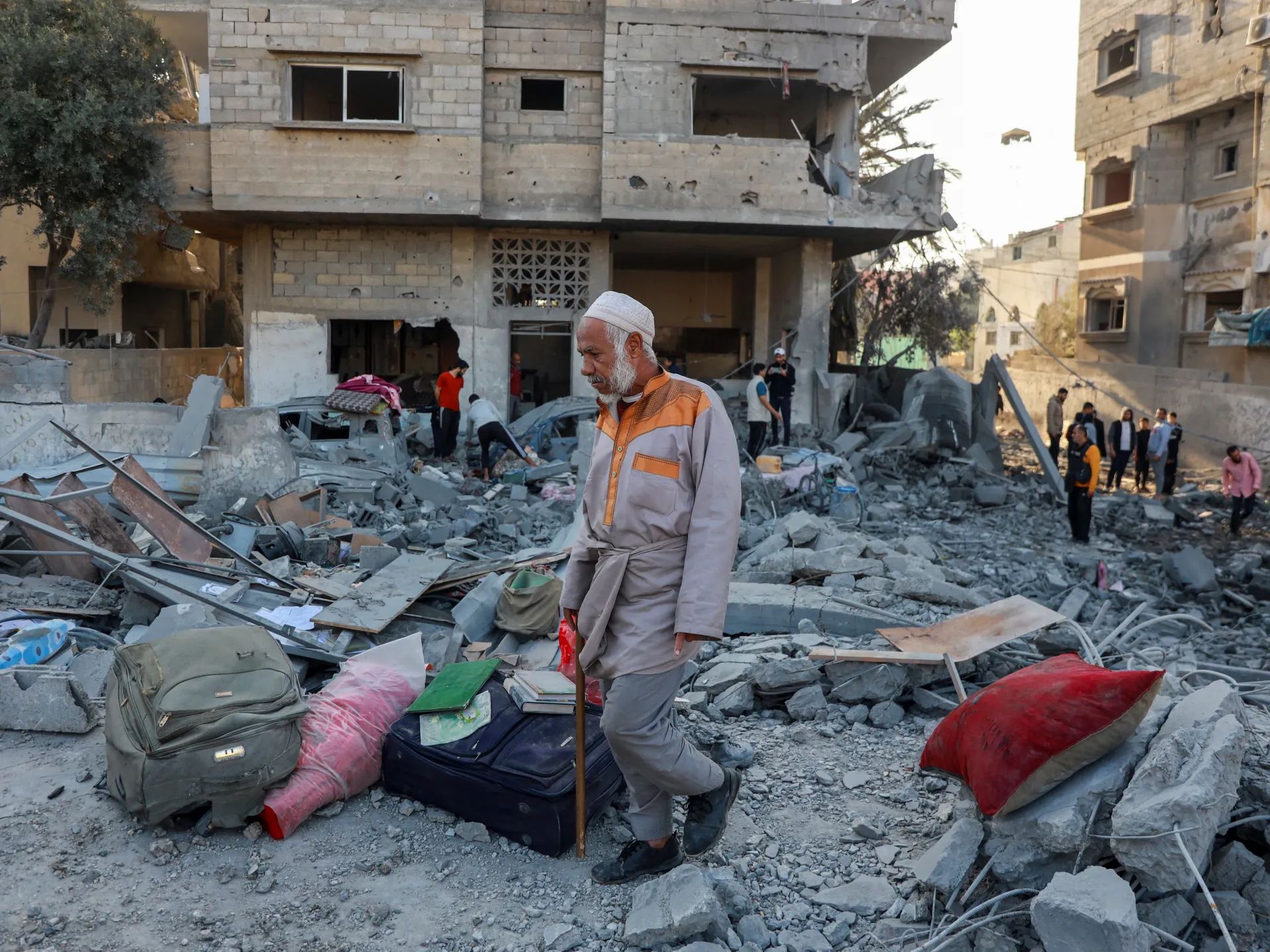
Tensions between Pakistan and Afghanistan intensified after Pakistani forces carried out overnight airstrikes on Taliban government targets in several Afghan cities. Officials from both sides confirmed the attacks on Friday, marking one of the most serious escalations in recent years.
According to Pakistani security sources, the strikes involved air-to-ground missile attacks targeting Taliban military offices and installations in Kabul, Kandahar, and Paktia Province. Ground clashes were also reported across multiple sectors of the long border between the two neighboring countries.
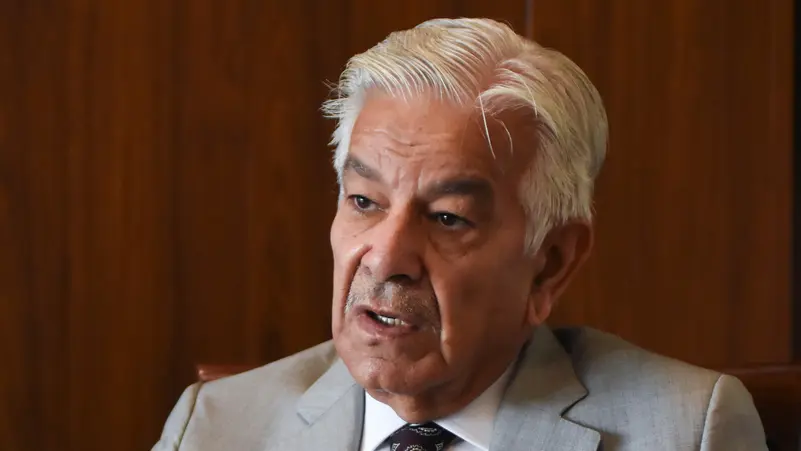
Pakistan’s Defense Minister Khawaja Muhammad Asif described the situation as an “open war,” saying Pakistan had reached the limit of its patience after repeated cross-border militant attacks.
The Taliban government confirmed the airstrikes and said its forces launched retaliatory attacks on Pakistani military positions. Both sides reported significant casualties, although the figures provided by each government differed and could not be independently verified.
Pakistan claimed that more than 130 Taliban fighters were killed and several posts destroyed during the strikes. Meanwhile, Taliban officials said dozens of Pakistani soldiers were killed in retaliatory attacks and several military positions were captured.
The escalation follows years of tension over Pakistan’s accusations that Afghanistan harbors militant groups such as Tehreek‑e‑Taliban Pakistan, which Islamabad says conducts attacks inside Pakistani territory. Taliban authorities deny the claims and insist Pakistan’s security problems are internal.
The conflict now threatens to destabilize the 2,600-kilometer Pakistan-Afghanistan border, raising concerns about prolonged hostilities in the region.
International actors including Saudi Arabia, Turkey, Qatar, and Russia have urged both sides to de-escalate and pursue dialogue to prevent further conflict.