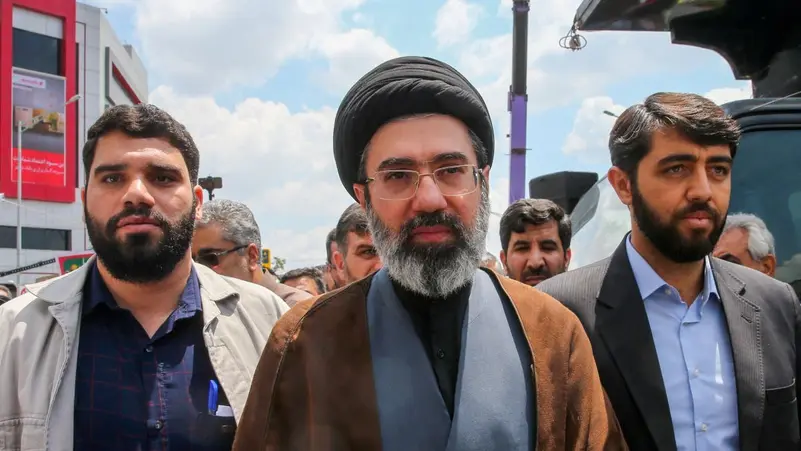
Iran’s newly appointed Supreme Leader Mojtaba Khamenei has called for maintaining the closure of the strategic Strait of Hormuz, describing it as a powerful tool against Iran’s adversaries during the ongoing regional conflict.
In his first official statement since being named Iran’s top leader, Khamenei said the country’s forces must use the blockade of the Strait of Hormuz as leverage. The statement was broadcast on state television and read by a presenter, as the new leader has not yet appeared publicly since assuming office.
The waterway is one of the world’s most critical energy routes, with roughly one-fifth of global oil shipments passing through it.
First Statement After Leadership Change
Khamenei became Iran’s supreme leader following the death of his father and predecessor, Ali Khamenei, who was reportedly killed in military strikes by the United States and Israel on February 28.
The attacks triggered a broader conflict across the Middle East, with Iran launching missile and drone strikes targeting Israeli positions and other locations across the region.
Despite being appointed several days earlier, the 56-year-old leader has not yet appeared publicly, and state media previously reported that he had been wounded during the ongoing war.
Call to Close US Military Bases
In the same statement, Khamenei urged regional countries hosting American military bases to shut them down.
He argued that the presence of US forces does not bring security or stability to the region and claimed that the promise of peace through American military presence had proven false.
Promise of Retaliation
Khamenei also vowed to continue retaliatory actions against Iran’s enemies in response to the ongoing conflict.
According to his remarks, Iran has already begun taking revenge but intends to continue until it believes justice has been achieved.
He warned that Iran would seek compensation from its adversaries and suggested that if such compensation is refused, Iran could target their assets or infrastructure.
Rising Casualties in the Conflict
Iran’s health ministry reported that the conflict has resulted in more than 1,200 deaths and over 10,000 civilian injuries since fighting began.
The war started after the strikes that killed Ali Khamenei and has since expanded across the region, with Iran launching attacks on Israeli targets and strategic locations.
Support from Regional Allies
Khamenei also expressed gratitude to several groups aligned with Iran in the region, including:
- Hezbollah in Lebanon
- Houthis in Yemen
- Armed groups operating in Iraq
He described these groups as part of the broader “resistance front,” which he said represents an essential pillar of Iran’s regional strategy and ideology.
Recommended Stories :
- UN Security Council Calls for Immediate End to Iran’s Attacks on Gulf States
- Iranian Supreme Leader Ali Khamenei killed in airstrikes as US, Israel launch attacks