Event
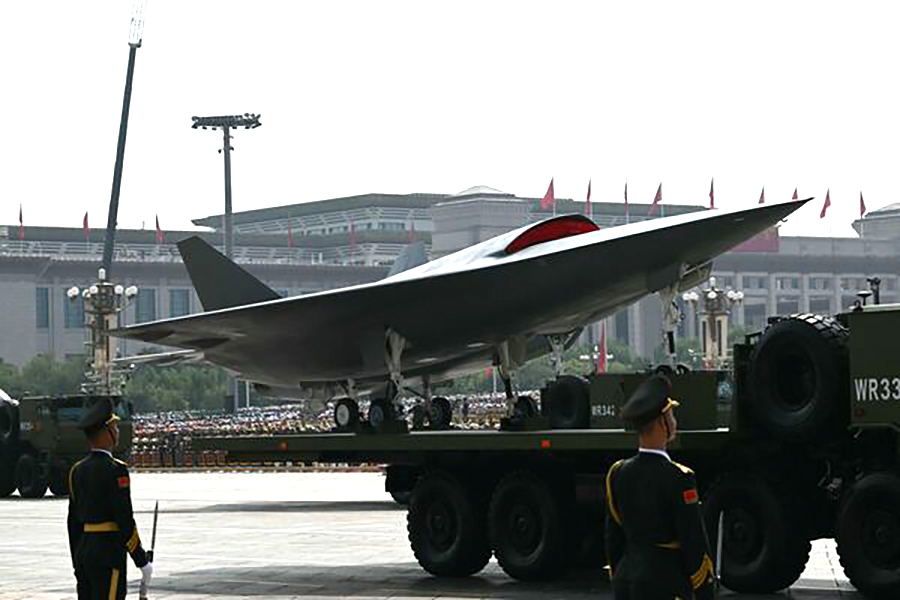
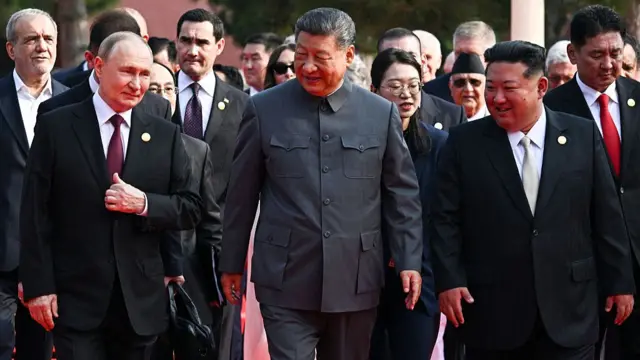
On 3 September 2025, China organised a military parade to mark the 80th anniversary of the Victory of the Chinese People’s War of Resistance Against Japanese Aggression and the World Anti-Fascist War, the term used by the Communist Party of China (CPC) for the country’s resistance against Japan and the Second World War. The parade was attended by leaders from 26 countries, including Russian President Vladimir Putin and North Korean leader Kim Jong-un.
Although earlier reports suggested that China might invite US President Donald Trump, the United States did not send a representative. Many European nations also declined China’s invitation to protest the presence of Putin, with only a few exceptions such as Slovakian Prime Minister Robert Fico, Serbian President Aleksandar Vučić, and representatives from Hungary, Bulgaria, and NATO-member Türkiye. South Korean National Assembly Speaker Woo Won-shik also attended.
Additionally, the secretaries-general of ASEAN, the CIS, the Shanghai Cooperation Organisation (SCO), and the UN undersecretary-general were present at the parade.
Significance
The 3 September parade marked the first joint appearance of Xi Jinping, Kim, and Putin at a single event, with Xi flanked by the other two leaders. It also represented Kim’s first attendance at a multilateral international event.
China had announced the Global Governance Initiative (GGI) on 1 September 2025, and the parade likely served to signal China’s leadership ambitions and its intention to champion reforms in global governance. Highlighting North Korea and Russia among attendees indicates the CPC’s focus on strengthening ties with nations critical of the US-led global order.
Compared with the 2015 parade, the event in 2025 showed a shift in attendance patterns: most European and US-aligned countries either did not attend or sent lower-level representatives, while developing countries, especially in Asia, sent high-profile leaders. The exception included Thailand and the Philippines, due to domestic political transitions and ongoing territorial issues.
The parade followed the largest SCO summit in history, held in Tianjin from 31 August to 1 September, where Xi presented the GGI. Together with the Global Development Initiative (GDI), Global Security Initiative (GSI), and Global Civilisation Initiative (GCI), the GGI represents China’s vision for a multipolar global order with greater representation for developing nations.
Russia
Russia’s participation underscores a shared perception with China regarding the US-led international system. Putin’s presence reflects deepening geostrategic alignment, mirrored in cooperation across forums such as BRICS and the SCO, as well as joint military exercises, including the first joint submarine patrol in the Pacific in August 2025.
Xi and Putin also held a bilateral meeting on 2 September 2025, signing 22 cooperation agreements covering aerospace, AI, energy, agriculture, education, public media, health, and scientific research. A trilateral meeting with Mongolian President Ukhnaa Khurelsukh resulted in a memorandum for the Power of Siberia 2 and Soyuz-Vostok pipelines, facilitating Russian gas exports to China via Mongolia, though details on funding and construction remain unresolved.
North Korea
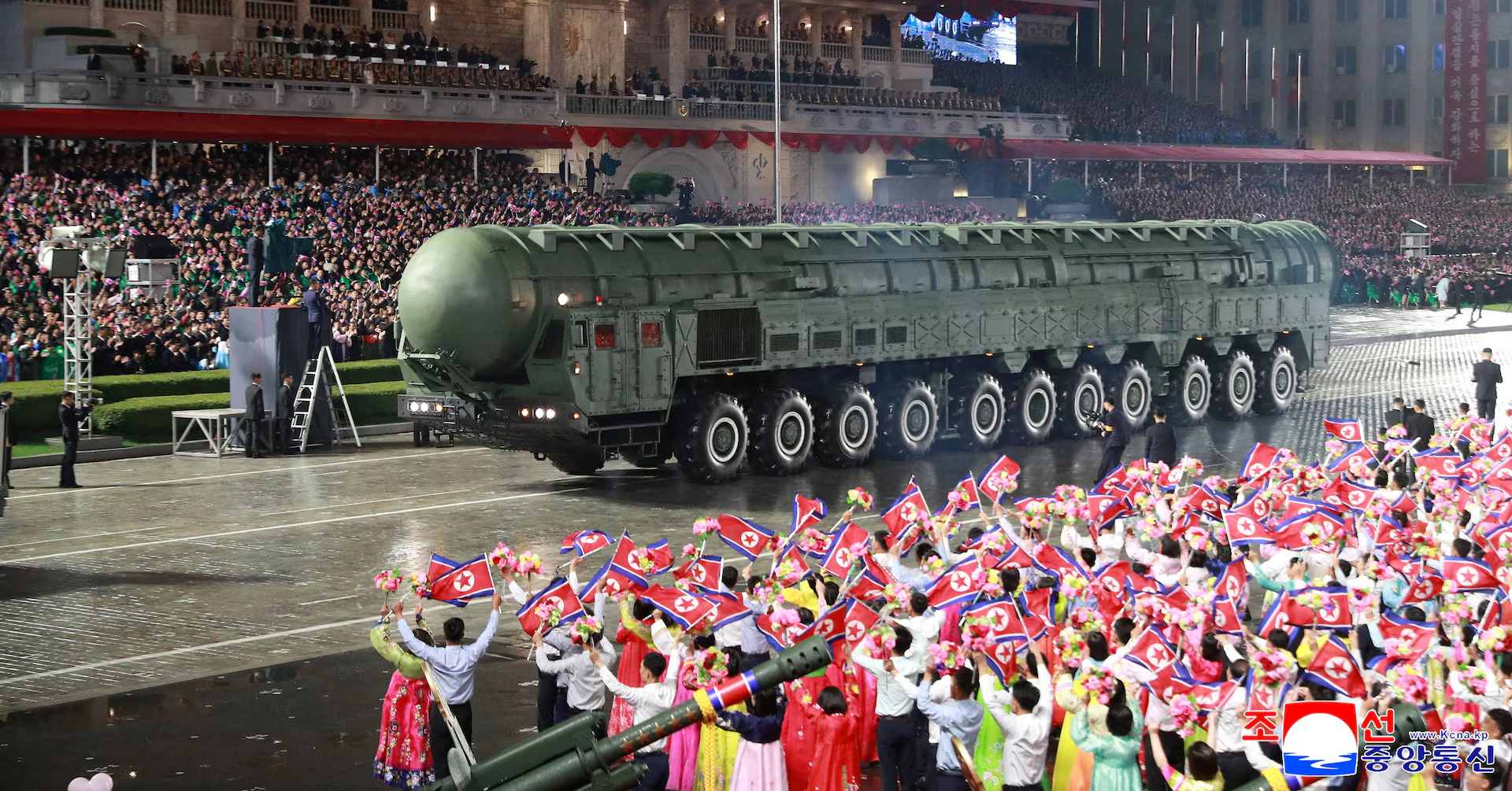
Kim Jong-un attended a multilateral event for the first time, signaling efforts to portray North Korea as an equal partner internationally. His attendance, alongside Xi and Putin, was the first such trilateral meeting in Beijing since 1959. Kim also held bilateral talks with both Xi and Putin after the parade, emphasizing North Korea’s enhanced diplomatic engagement.
Outlook
Over the next year, China is expected to adopt a more assertive foreign policy, challenging the US-led order while promoting multipolarity and representation for developing countries. Cooperation with Russia is likely to expand in energy, AI, science, and joint military exercises, but China will seek to maintain strategic autonomy, avoiding full alignment on issues like Ukraine and the Korean Peninsula.
China will continue leveraging multilateral platforms such as BRICS, SCO, and the UN Security Council to advance practical cooperation in development, technology, and security, while promoting narratives of sovereign equality, multilateralism, and people-centred diplomacy. Economic and trade relations with EU and US-aligned partners may also be strengthened to capitalize on US retrenchment, without compromising China’s independent foreign policy stance.
Risk Indicators
Positive:
- China limits joint military exercises with Russia
- China pressures Russia to moderate actions in Ukraine
Negative:
- Development of trilateral security cooperation between China, Russia, and North Korea
- Signing of defence-related agreements between China and Russia