Trump Issues ‘Last Chance’ Warning to Iran as Tehran Denies US Talks
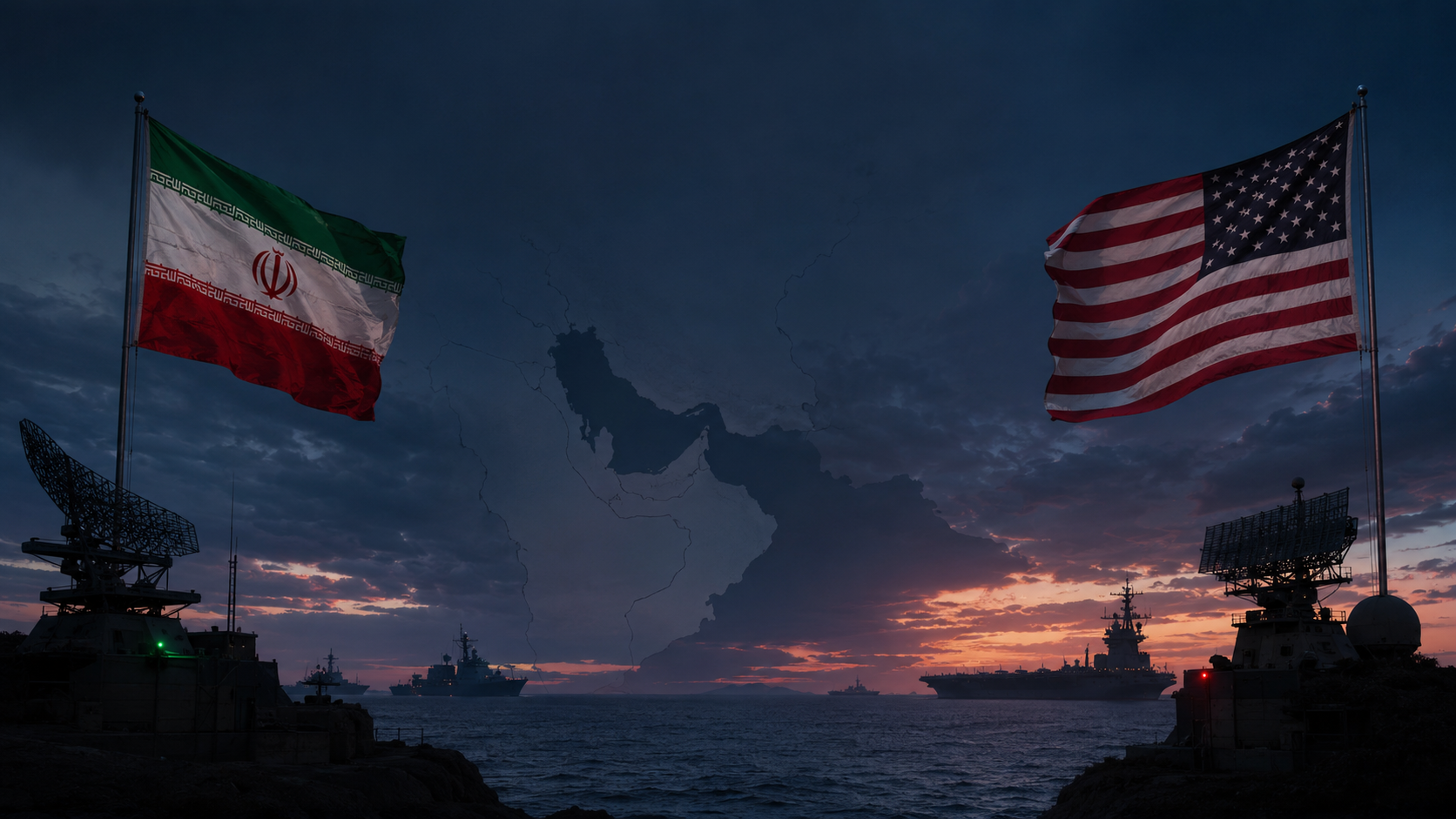
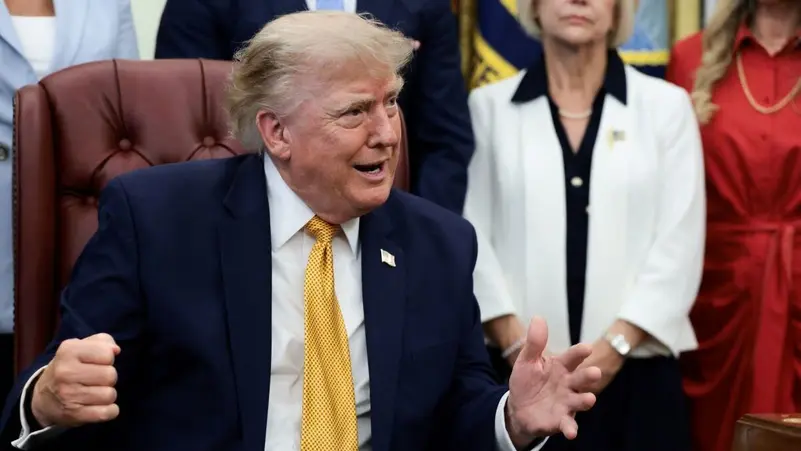
US President Donald Trump has intensified pressure on Iran, saying the country is being given a final opportunity to sign an agreement before potentially facing a major escalation in American military action.
Speaking at the White House on Monday, Trump claimed negotiations with Tehran were already under way and said he had continued pursuing diplomacy at the request of several Middle Eastern governments. Iran, however, publicly rejected that account and maintained that it was not negotiating with the United States.
The sharply conflicting statements have added uncertainty to efforts to end more than five months of fighting and restore commercial navigation through the Strait of Hormuz.
Trump delivers severe warning
Trump described the diplomatic effort as Iran’s last chance to reach what he called a favorable agreement. He also used the term “decapitation,” language generally associated in military and political contexts with targeting or removing a country’s senior leadership or command structure.
The US president did not publicly provide specific operational details or identify any particular target. His statement should therefore be understood as a threat of possible escalation rather than confirmation that a leadership-targeting operation has been ordered.
Trump said Washington was still prepared to carry out the military plans it had previously considered but preferred to give negotiations another opportunity.
Iran denies negotiations with Washington
Iran’s Foreign Ministry disputed Trump’s claim that direct discussions were taking place. Spokesman Esmaeil Baghaei said Tehran’s current negotiations were with Oman and focused on arranging secure maritime passage through the Strait of Hormuz.
This leaves the status of any broader US-Iran diplomatic process unclear. It is possible that regional intermediaries are exchanging messages between the parties, but neither government has publicly confirmed a shared negotiating format, venue or timetable.
Trump accused Iran of acting deceptively by denying the talks and insisted that discussions about a possible solution were continuing. Tehran, meanwhile, has repeatedly expressed distrust of Washington following the collapse of earlier agreements.
Strait of Hormuz remains central to dispute
Reopening the Strait of Hormuz is one of the most urgent issues in the conflict. The narrow waterway connects the Persian Gulf with the Gulf of Oman and carries a significant share of global oil and liquefied natural gas supplies under normal conditions.
Trump suggested that progress on reopening the strait could come quickly. Iran has presented a different position, arguing that its negotiations with Oman over a new maritime route do not automatically mean the waterway will reopen.
Tehran says it wants to retain a role in controlling passage and protecting its security interests. Washington rejects Iranian restrictions and any attempt to charge vessels for using an international shipping route.
The United States has also imposed restrictions around Iranian ports. Trump said Washington would maintain pressure until Iran accepted an agreement or surrendered, underscoring how closely maritime access has become tied to the wider conflict.
Iran and Oman discuss alternative route
Iran says its talks with Oman are approaching a possible understanding on a new route that would differ from the existing northern and southern corridors.
According to Iranian officials, the proposed arrangement is intended to respect the sovereign rights and security concerns of both coastal states. Oman had not publicly confirmed a final agreement when the latest statements were made, and important operational details remained unavailable.
Even if Tehran and Muscat finalize a navigation route, the agreement alone may not resolve the US-Iran confrontation or guarantee the immediate return of normal commercial traffic.
Nuclear dispute remains unresolved
Trump said any broader agreement would also need to address Iran’s nuclear program. Western governments have long accused Tehran of seeking the capability to produce a nuclear weapon, while Iran insists its nuclear activities are intended for civilian purposes.
Despite months of US and Israeli military operations, Iran retains enriched uranium stockpiles and continues to possess missile and drone capabilities. Washington therefore considers nuclear restrictions and verification measures essential to any lasting settlement.
Tehran is likely to seek security guarantees, sanctions relief and recognition of its national rights in exchange for new nuclear limits. The distance between the two sides suggests that reaching a comprehensive agreement could take considerably longer than resolving immediate shipping issues.
Diplomacy and military threats continue side by side
Trump has repeatedly threatened major strikes before delaying military action to allow diplomacy more time. Last week, he warned that Iran could face renewed attacks, including possible strikes on energy infrastructure, but later said the outlines of a potential agreement had emerged.
A previous ceasefire arrangement collapsed after Washington and Tehran accused each other of violations. Renewed attacks followed, further disrupting maritime trade and raising concerns about regional energy security.
The latest warning places additional pressure on Iran but does not establish that a deal is imminent. Until both governments acknowledge a common negotiating process, the risk of miscalculation and further military escalation will remain high.