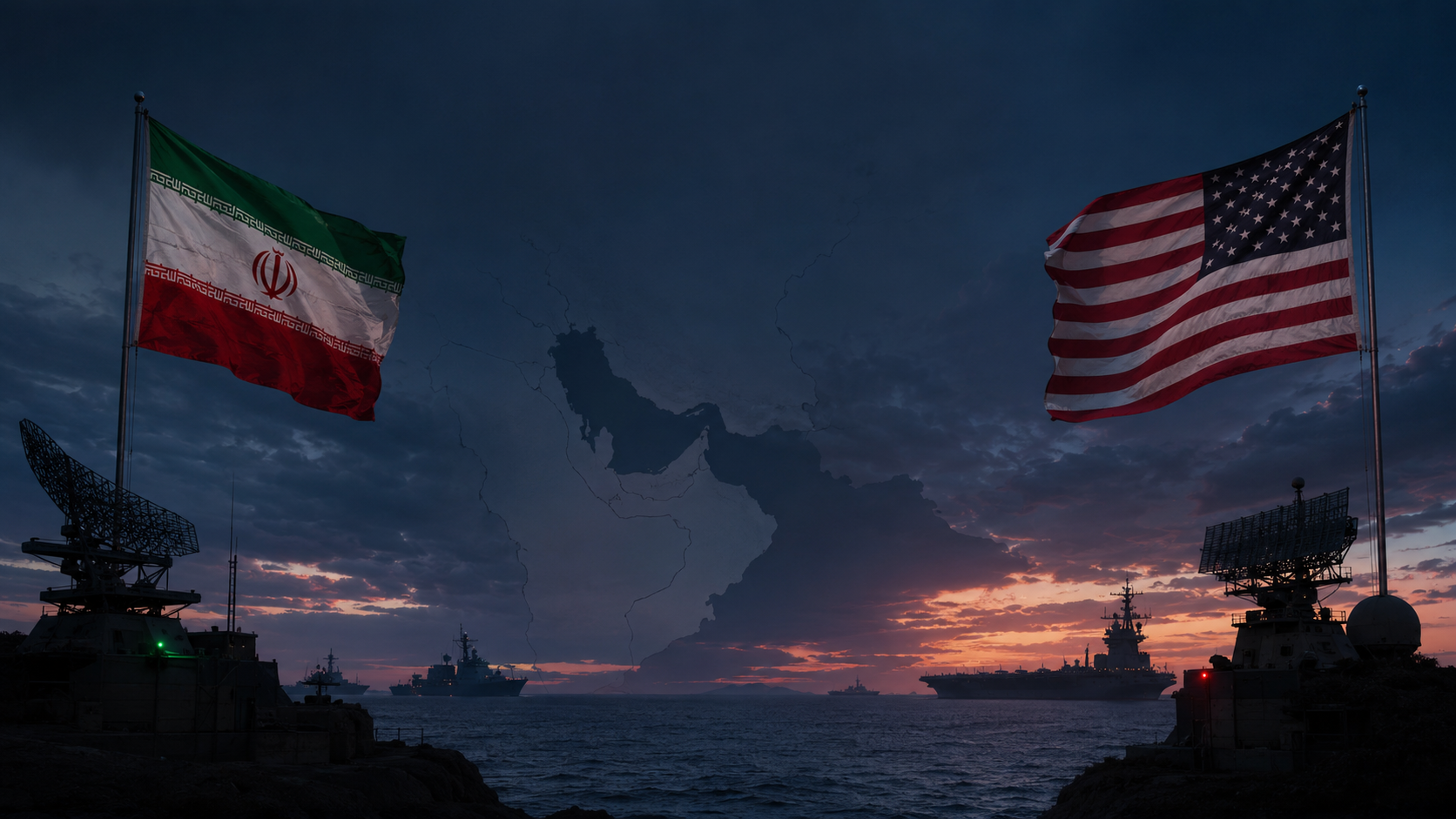
Iran’s military has accused Washington of intensifying the Middle East conflict and warned regional countries against supporting US military operations.
Iran’s military has accused the United States of increasing tensions across the Middle East and issued a warning to regional governments against assisting Washington during the ongoing conflict.
Ali Abdollahi, head of Iran’s central military command, said on Saturday that the United States was “rapidly moving down the path of escalating tensions” in the region.
In a statement broadcast by Iranian state television, Abdollahi warned that countries helping to protect US forces or support American military activities could become exposed to the conflict. His remarks indicate that Tehran may view regional military cooperation with Washington as direct involvement in the war.
Iran Warns Countries Supporting US Operations
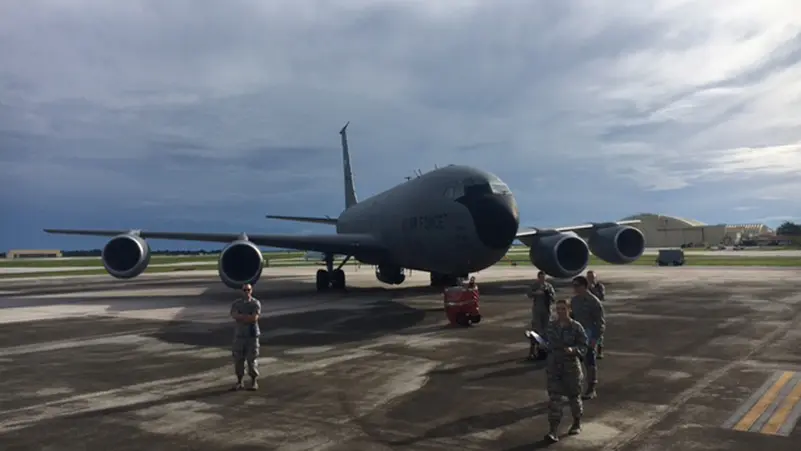
Several Middle Eastern countries host American troops, air bases or other military facilities. Some have also helped intercept missiles and drones during recent exchanges between Iran and the United States.
Iran’s latest warning appears intended to discourage those governments from allowing their territory, airspace or defense systems to support additional US attacks. However, Abdollahi did not announce a specific new military operation or identify an immediate target in the statement cited by international media.
The warning may increase pressure on Gulf and regional governments that are attempting to protect their territory while avoiding deeper involvement in the confrontation.
Trump Repeats Threat of Further Strikes
The Iranian statement followed renewed warnings from US President Donald Trump, who said Washington could hit Iran “very hard.”
US media reports have suggested that the Trump administration is considering another major round of attacks, potentially including Iranian energy infrastructure. No final decision on those reported options had been publicly confirmed at the time of reporting.
Targeting energy facilities could significantly widen the economic consequences of the conflict. Iran is a major energy producer, while the wider Gulf region contains some of the world’s most important oil and gas infrastructure.
Any attack on these facilities—or retaliation against energy sites in neighbouring countries—could disrupt supplies, increase shipping risks and place additional pressure on international oil prices.
Fighting Resumes After Brief Lull
The United States and Iran resumed exchanges of fire this week following several days of reduced military activity. Although no strikes were reported overnight from Friday into Saturday, statements from both sides suggested that the risk of further escalation remained high.
Recent confrontations have included missile and drone attacks, US strikes on Iranian targets and disputes over commercial shipping in the Strait of Hormuz. The strategic waterway remains central to the conflict because it carries a significant share of global energy trade.
The absence of reported overnight attacks therefore does not necessarily signal a new ceasefire. Military forces remain on alert, while warnings from Washington and Tehran continue to raise concerns about another round of strikes.
Regional Security Risks Increase
Iran’s threat towards countries cooperating with the United States could complicate regional security arrangements. Governments hosting US forces may strengthen their air and missile defenses, but those measures could also be interpreted by Tehran as support for American military operations.
This creates a difficult position for regional states: they must protect their populations and infrastructure without allowing defensive cooperation to pull them further into the war.
The conflict began on February 28, when the United States and Israel launched strikes on Iran. Tehran responded with missile and drone attacks against Israel and targets across the region. Since then, the fighting has affected shipping routes, energy markets and diplomatic efforts to reduce tensions.
What Happens Next?
The immediate direction of the conflict will depend on whether Washington orders another major attack and how Iran responds. Any strike on energy infrastructure could expand the confrontation beyond military targets and increase the danger facing neighbouring countries.
Diplomatic channels remain important, but the latest public threats show how fragile the situation has become. Without renewed de-escalation efforts, another exchange of attacks could place regional bases, infrastructure and commercial shipping at greater risk.
Source note: This is an independently written, copyright-safe article based on attributed Iranian statements and verified international reporting. Allegations and threats from the parties are clearly identified rather than presented as independently established facts.