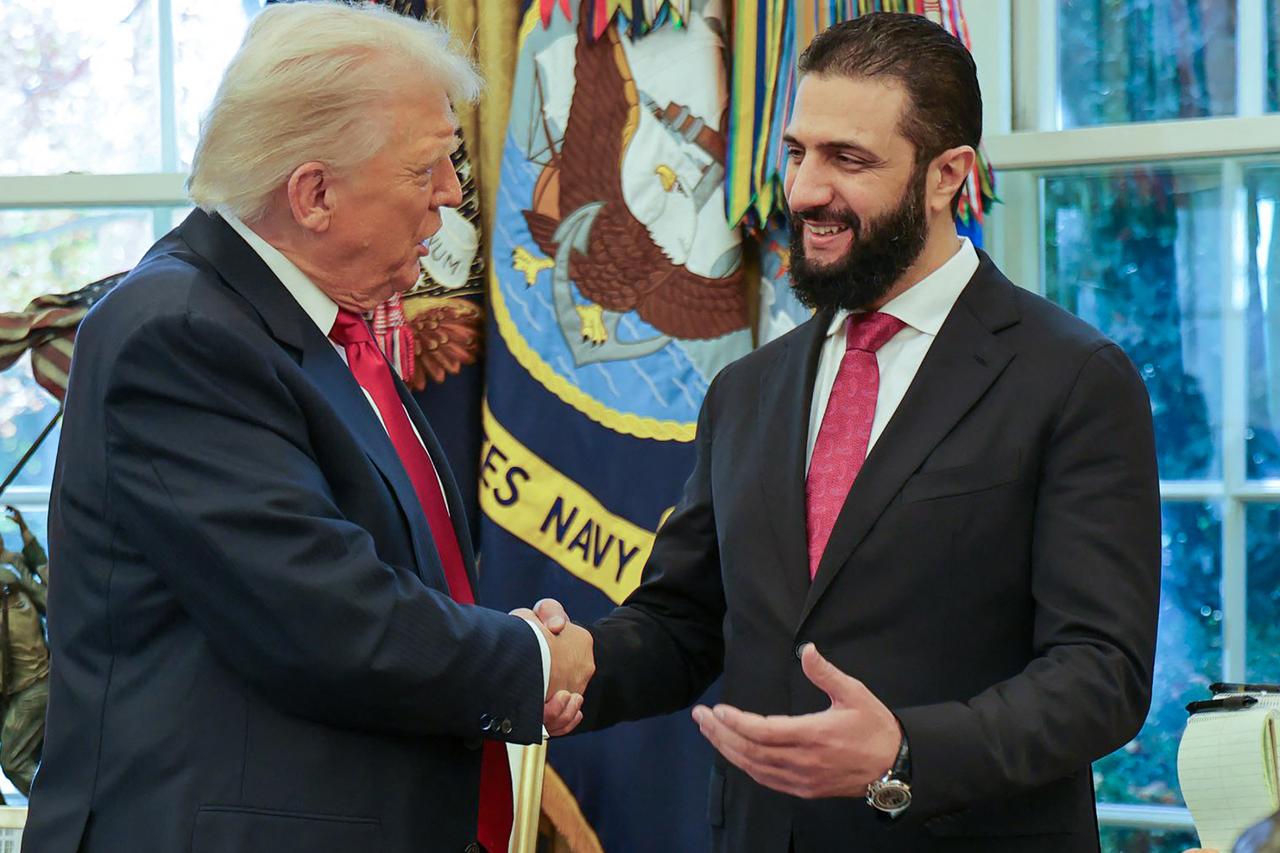
As diplomatic efforts between the United States and Iran regain momentum, former President Donald Trump has indicated that Washington may deploy a second U.S. aircraft carrier strike group to the Middle East. The statement comes at a critical moment when both nations are preparing for renewed negotiations over Iran’s nuclear program.
The development highlights a strategic approach that combines diplomacy with military positioning.
Rising Tensions Amid Renewed Diplomacy
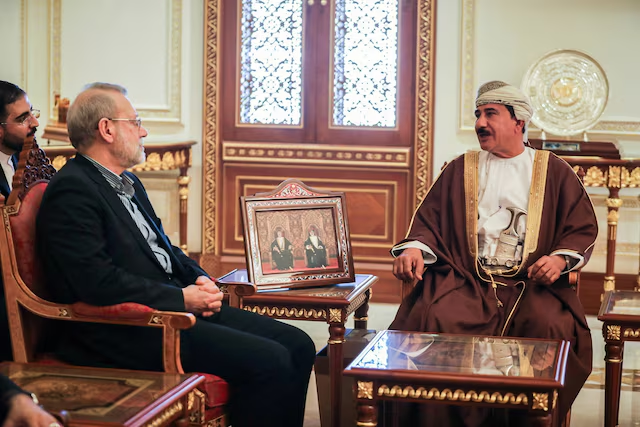
U.S. and Iranian officials are preparing to resume talks aimed at reducing tensions and addressing long-standing disagreements. Mediators in the region are reportedly helping facilitate communication between both sides.
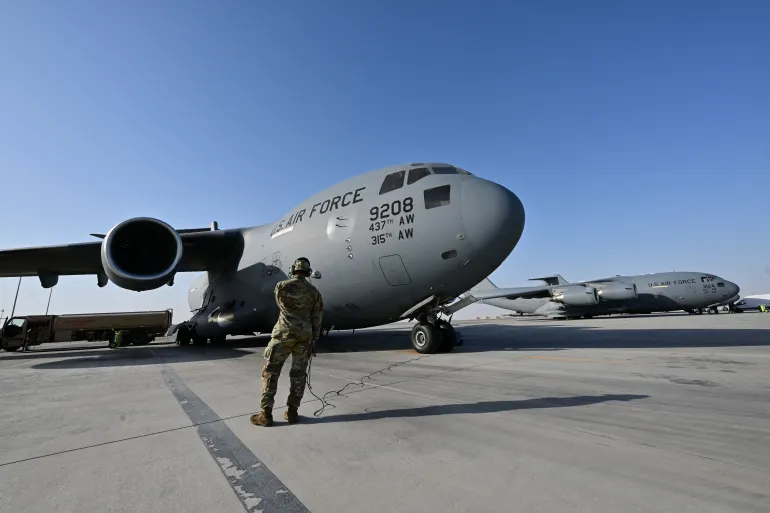
At the same time, Trump has emphasized that the United States is prepared to strengthen its military presence if negotiations fail. The possible deployment of a second aircraft carrier would significantly boost American naval power in the region.
This approach reflects Washington’s effort to maintain leverage during high-stakes diplomatic discussions.
Why a Second Aircraft Carrier Is Significant
An aircraft carrier strike group represents one of the most powerful military assets in the world. It includes:
-
- A nuclear-powered aircraft carrier
-
- Guided missile destroyers
-
- Support ships and submarines
-
- Advanced fighter jets and surveillance systems
Deploying an additional carrier would serve as a strategic signal of deterrence. While it increases security readiness, it may also intensify pressure on Iran during negotiations.
The Core Issue: Iran’s Nuclear Program
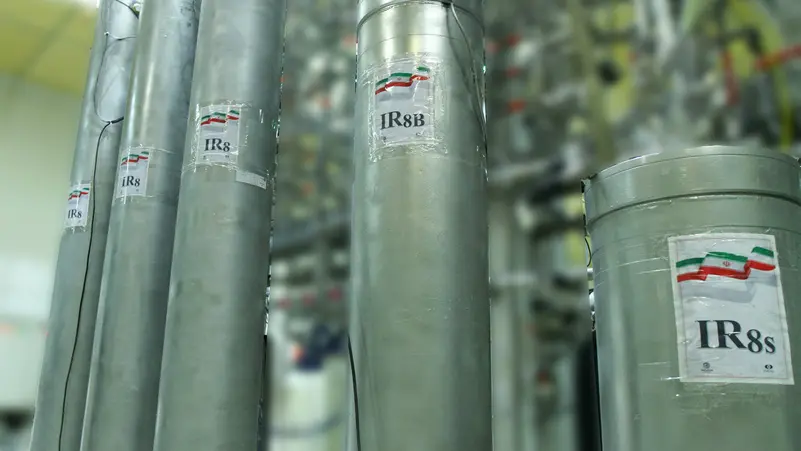
The central focus of renewed talks remains Iran’s nuclear activities. The United States seeks stricter limits on uranium enrichment and expanded monitoring measures. Iran, however, maintains that its nuclear program is for peaceful purposes and insists on sanctions relief.
Economic sanctions have significantly impacted Iran’s economy, making negotiations a potentially critical turning point for both countries.
Regional and Global Implications
Israel has expressed concerns about any agreement that does not address Iran’s missile capabilities and regional influence. Gulf nations are also closely watching developments.
Additionally, tensions in the Middle East often impact global oil markets. Any escalation could disrupt energy supplies and influence international prices.
A High-Stakes Diplomatic Moment
The coming weeks may determine whether diplomacy leads to de-escalation or renewed confrontation. The possibility of a second aircraft carrier deployment underscores the seriousness of the situation.
For now, the world watches as negotiations resume — balancing diplomacy against military preparedness.
Recommended Stories: