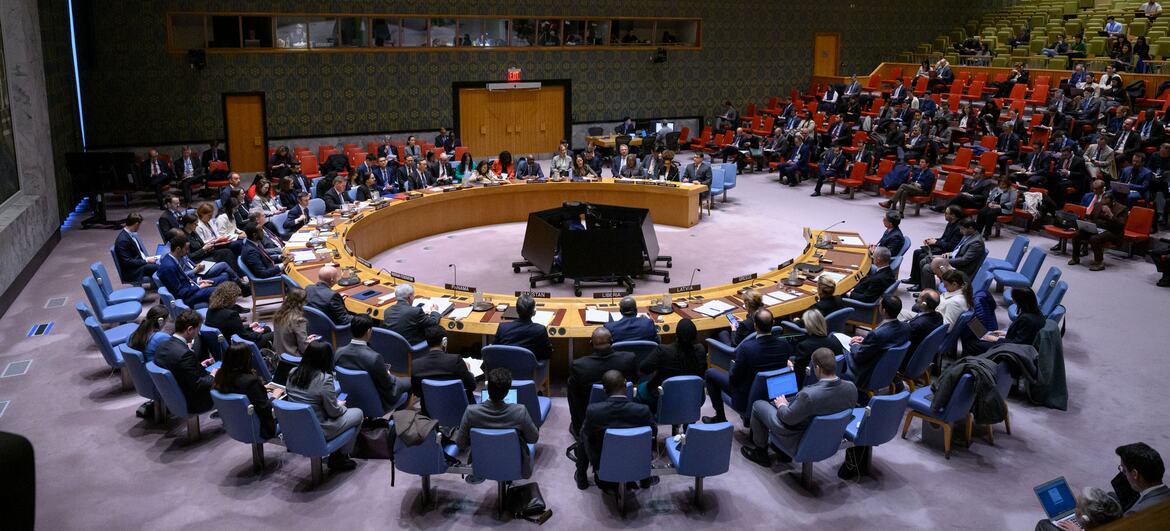
The United Nations Security Council convened an emergency session to address the escalating unrest in Iran, following deadly protests and rising tensions between Tehran and Washington.
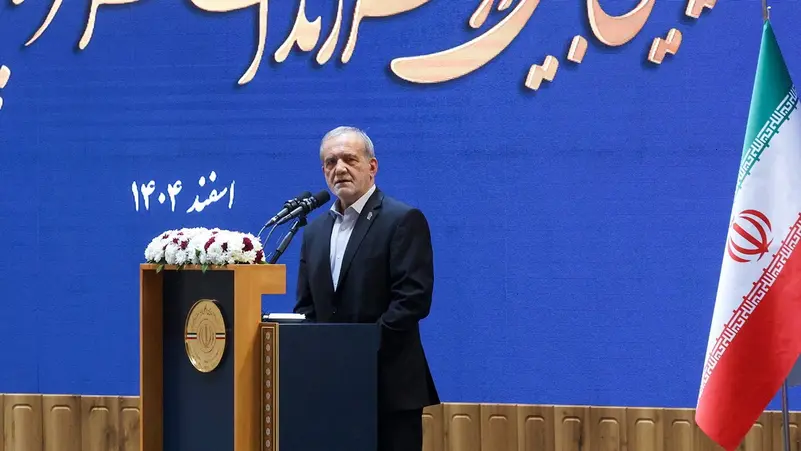
During the meeting, sharp exchanges took place between Iranian and US representatives. Iran’s deputy ambassador to the UN stated that Tehran does not seek conflict but warned that any form of aggression would be met with a firm and lawful response. He accused the United States of playing a role in fuelling unrest inside Iran.
The US envoy, Mike Waltz, strongly criticised the Iranian government’s handling of the protests, highlighting reports of forceful crackdowns and an ongoing internet shutdown that has limited independent verification of events on the ground. He argued that widespread demonstrations reflect deep public frustration and a growing demand for freedoms within the country.
While US President Donald Trump has recently issued strong warnings about possible action against Iran, his administration appeared to soften its tone slightly in the hours leading up to the meeting. Iranian officials, however, reiterated that while they do not seek escalation, they reserve the right to respond under international law if attacked.
The emergency session underscored growing international concern over the situation in Iran, as well as fears that internal unrest could further destabilise the region amid already heightened geopolitical tensions.
UN Assistant Secretary-General Martha Pobee told the Security Council that demonstrations in Iran, which began nearly three weeks ago, have grown from local protests into widespread unrest across the country, leading to a high number of casualties.
She explained that the initial protests erupted on December 28, 2025, when traders at Tehran’s Grand Bazaar rallied against the rapid devaluation of the national currency, rising inflation, and deteriorating economic conditions. What began as an economic protest has since expanded into a broader nationwide movement.
Pobee noted that international human rights organisations have raised alarms over large-scale arrests, with estimates suggesting that more than 18,000 people may have been detained by mid-January 2026. However, she stressed that the United Nations has not been able to independently confirm these figures.
She urged Iranian authorities to ensure humane treatment of all detainees and called for an immediate stop to any executions connected to protest-related cases. Pobee also emphasised that all reported deaths must be investigated in a timely, independent, and transparent manner, and that those responsible for violations should be held accountable under international law.
Meanwhile, Iran’s Foreign Minister Abbas Araghchi rejected claims that the government intends to execute antigovernment demonstrators. Speaking to Fox News on Wednesday, he stated clearly that there are no plans to carry out executions, responding directly to concerns raised by the international community.