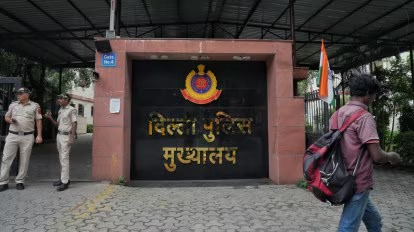
NEW DELHI – Delhi Police on Thursday strongly opposed the bail petitions of student activists Umar Khalid, Sharjeel Imam, and several others in the 2020 North-East Delhi riots case, alleging that an organized “larger conspiracy” was behind the violence that erupted in February 2020 after protests against the Citizenship Amendment Act (CAA).
During the Supreme Court hearing, Additional Solicitor General SV Raju argued that individuals who plan anti-national activities intellectually are “more dangerous” than those involved directly on the ground. He referenced the recent terror attack near Red Fort, stating that it has become a trend for highly educated professionals, including doctors and engineers, to engage in extremist activities. The bomber in the recent Delhi attack, Umar Un Nabi, was also a doctor, he said.
According to the Delhi Police, the February 2020 riots claimed 53 lives and left hundreds injured. The prosecution maintains that the FIR, filed by the Special Cell, includes charges under multiple sections of the Indian Penal Code (IPC) as well as the Unlawful Activities (Prevention) Act (UAPA). The case accuses the activists of orchestrating a coordinated plan to fuel unrest in the capital.
Umar Khalid, who has been in custody since September 2020, has repeatedly been denied bail by the trial court and later the Delhi High Court. His legal team has now challenged the decision before the Supreme Court. Khalid’s counsel argued that he was not even present in Delhi during the riots and denied any involvement in violence.
Similarly, Sharjeel Imam’s lawyer stated that he only called for peaceful demonstrations against the CAA, not violence. Gulfisha Fatima’s defence asserted that there is no oral or documentary evidence linking her to violence, saying no witness had reported weapons, chilli powder, or other prohibited material with her at protest sites.
Meeran Haider’s counsel Siddharth Agarwal added that Haider had publicly opposed Imam’s participation in the protests, dismissing allegations of collaboration.
Senior advocate Sidharth Luthra, representing accused Shadab Ahmed, argued that his client had no involvement in delaying trial proceedings and was not part of the WhatsApp groups cited by investigators.
On November 6, the accused activists had completed their arguments before the apex court, while the prosecution maintains that the delay in the trial cannot be used to their advantage.
The Supreme Court continues to hear arguments regarding the bail pleas, with all accused firmly denying their roles in the alleged conspiracy behind the 2020 Delhi violence.